If your Instagram feed has suddenly turned into a time machine, you’re not imagining it. Since early September 2026, a viral AI photo trend has been sweeping social media, turning everyday selfies into convincing 1980s and 1990s-style portraits — complete with big hair, warm studio lighting, denim jackets, and that unmistakable film-grain nostalgia. News outlets from Hindustan Times to Times of India have covered the trend extensively, and for good reason: it’s genuinely fun, surprisingly easy, and doesn’t require any design skills at all.
Here’s everything you need to know about the 1980s AI photo trend, why it’s blowing up right now, and exactly how to create your own retro portraits using ChatGPT.
What Is the 1980s AI Photo Trend?
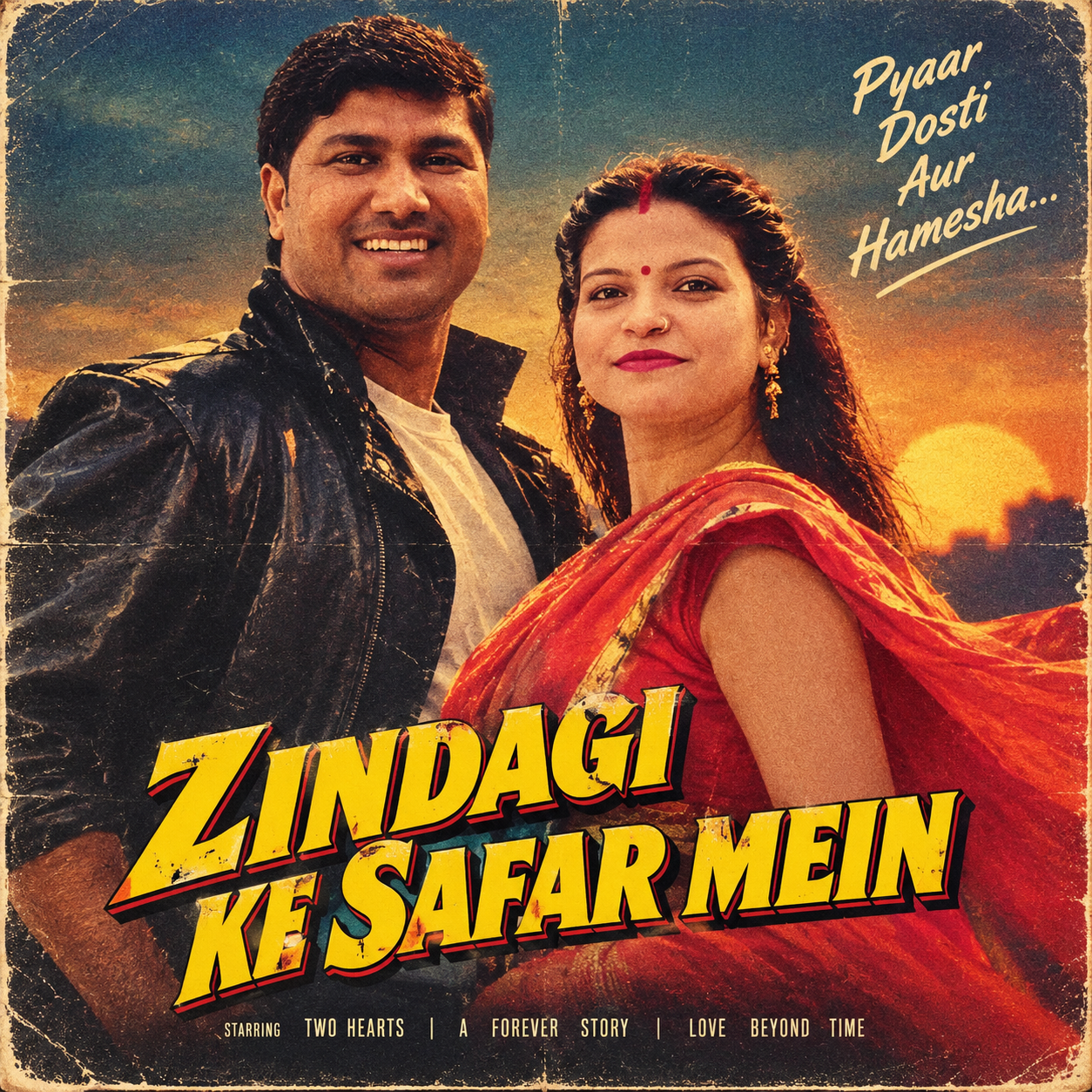
At its core, this trend uses AI image-editing tools like ChatGPT and Gemini to transform a present-day photo into one that looks like it was taken decades ago. But this isn’t your grandmother’s sepia filter. The AI rebuilds the entire photograph — clothing, hairstyle, accessories, lighting, camera texture, and even the setting — to match a specific era.
The 1980s version leans into bold, dramatic style: voluminous hairstyles, colourful outfits, statement jewellery, warm studio lighting, soft focus, and subtle analogue grain. The 1990s take is more relaxed and documentary in feel — think denim jackets, casual T-shirts, direct camera flash, and that slightly faded “family album” look that instantly transports you back to point-and-shoot photography.
What makes the trend so shareable is the before-and-after format. People are uploading their original photo alongside the 80s and 90s versions as an Instagram carousel, letting followers compare the transformation side by side.
Why This Trend Is Going Viral in India
Nostalgia content performs exceptionally well on social media, but this trend has an added layer of relatability for Indian users. Many creators are adapting the prompts for Bollywood-inspired studio portraits, Kerala-style traditional looks with sarees and gold jewellery, and classic family wedding-album aesthetics — all specific to Indian pop culture and fashion history. This localisation is a big reason the trend has spread so fast across Instagram Stories, Reels, and WhatsApp statuses in India.
How to Create Your Own Retro AI Portrait
You don’t need any special software — ChatGPT’s image tool (or Gemini) can do this directly from a single photo. Here’s a simple step-by-step process:
- Pick a clear reference photo. Choose a well-lit, front-facing photo where your face is clearly visible. The better the original image, the more accurately the AI can preserve your identity.
- Upload it to ChatGPT. Open a new chat, attach your photo, and get ready to describe the transformation.
- Write a detailed prompt. Vague instructions like “make this vintage” rarely work well. Instead, specify the decade, clothing, hairstyle, lighting, camera style, and film texture you want.
- Ask the AI to preserve your identity. This is the most important step — always instruct the model to keep your facial features, skin tone, and proportions recognisable while it changes the styling around you.
- Review and refine. Check the result for anything that breaks the illusion — modern gadgets, distorted hands, or oddly rendered text — and ask for tweaks if needed.
Sample Prompts to Try
For an 80s studio portrait:
“Use my uploaded photo as the identity reference. Recreate the same person as if the photo had been taken in 1986. Preserve my facial features, skin tone and proportions. Add authentic 1980s hair, clothing and accessories, warm studio lighting, soft 35mm focus and subtle analogue grain. Make it look like a real printed photograph, not a modern filtered image.”
For a 90s casual snapshot:
“Recreate my uploaded photo as if it were taken in 1996. Preserve my identity. Use natural 1990s hair, a denim jacket or plain T-shirt, direct point-and-shoot flash, and authentic 35mm film grain, so it looks like a real family snapshot rather than a filtered photo.”
For a Kerala-style traditional retro look:
“Transform this photo into a retro portrait. Preserve my identity and facial features. Style me in a traditional cotton saree with a gold border, minimal gold jewellery, and a simple bun with flowers. Use warm natural lighting and a courtyard-style background with soft analogue film grain.”
Feel free to swap out details like clothing, city, or setting to make the result feel more personal.
Tips for a More Realistic Result
- Name the exact decade so the AI doesn’t blend 1980s and 1990s styling together.
- Avoid asking for heavy scratches or sepia tones — subtle grain and natural colour tend to look far more authentic than an exaggerated “old photo” effect.
- Watch out for modern giveaways like smartphones, contemporary cars, or overly smooth digital skin, which instantly break the retro illusion.
- Generate a few variations by tweaking one element at a time — lighting, camera angle, or outfit — until you get a version you love.
The Bigger Picture: Why AI Nostalgia Trends Keep Winning
This isn’t the first AI-driven photo trend to go viral, and it certainly won’t be the last. From anime transformations to “mini me” 3D avatars, AI image tools have made it incredibly easy for anyone to reimagine themselves in a completely different visual style within seconds. The 1980s and 1990s photo trend taps into something deeper than just a fun filter — it plays on genuine nostalgia, family photo albums, and cultural memory, which is exactly why it resonates so widely across generations and geographies.
If you haven’t tried it yet, all it takes is one good photo and a well-written prompt. Give it a shot — you might be surprised how convincingly AI can send you back three or four decades.